Red Door Productions

The crew

Emerging creatives telling honest, emotionally grounded stories.

Filmmakers

Director · Writer · Producer

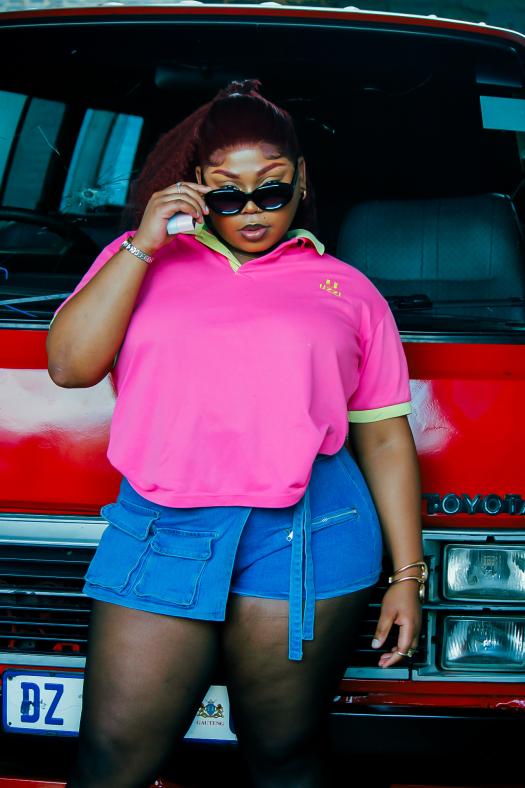
Lungelo Ngubane, Director

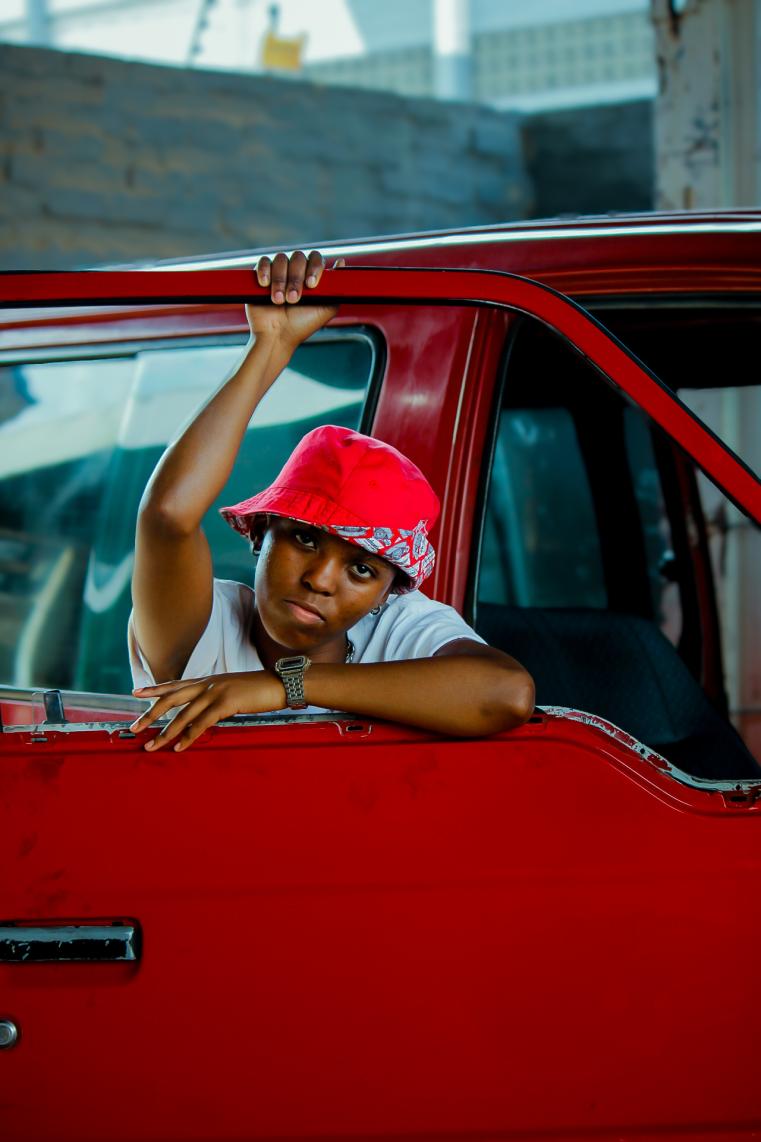
Red Door Productions shoot (2026)

Director

Lungelo Ngubane

Lungelo Ngubane is a South African filmmaker and third-year film student at AFDA. She is interested in human experiences, strong dialogue and authentic African storytelling, especially stories that speak to the realities of Black communities.

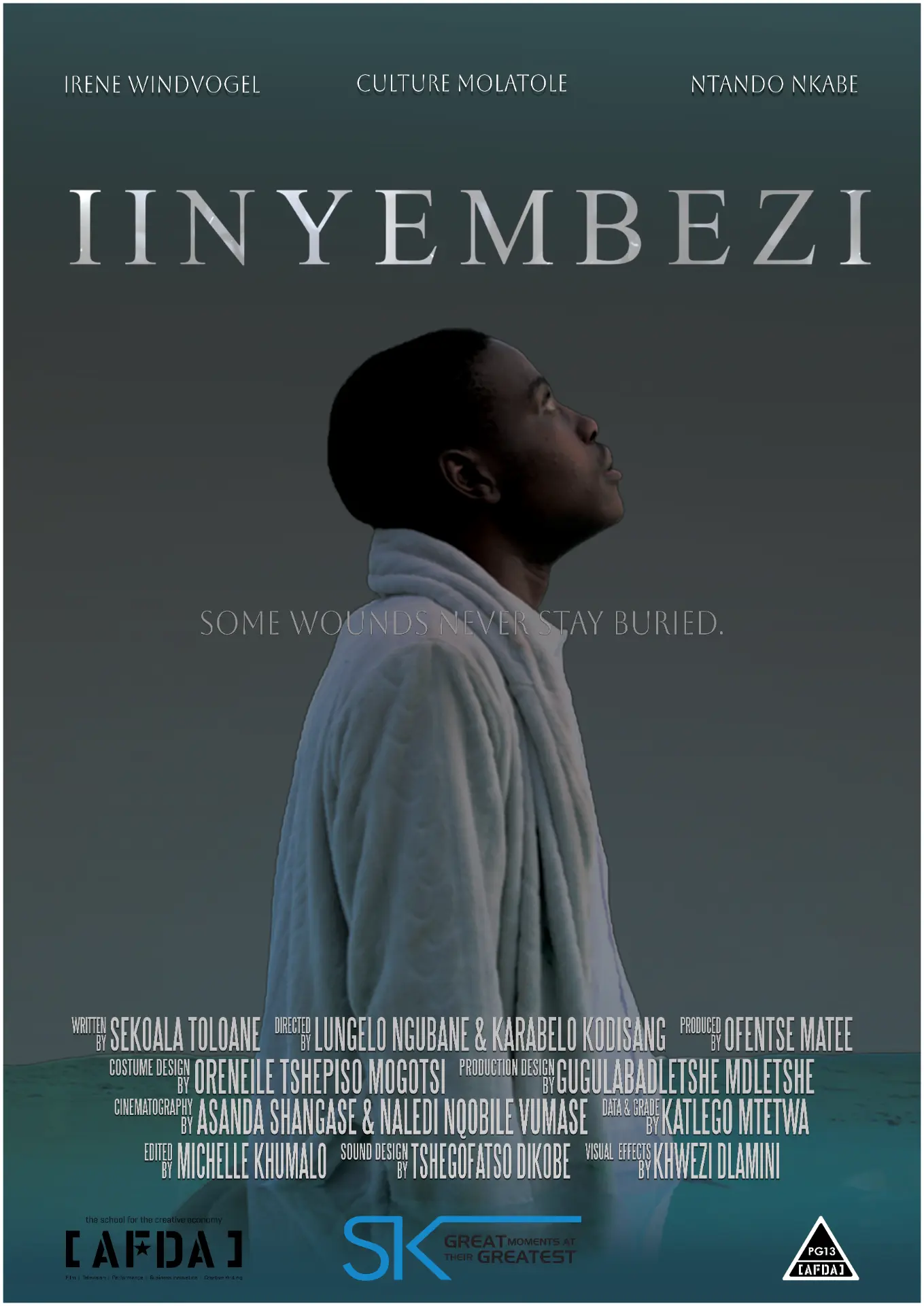
With IINYEMBEZI, she explores grief, trauma, emotional support and the possibility of finding a way forward.
Sekoala Toloane, Writer

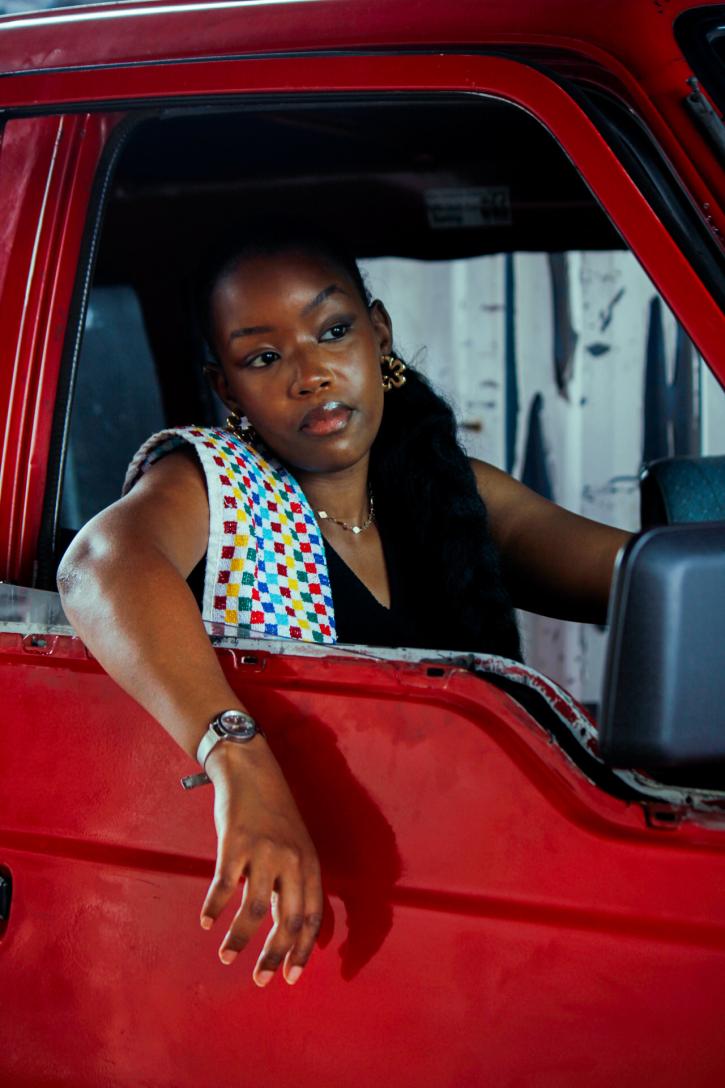
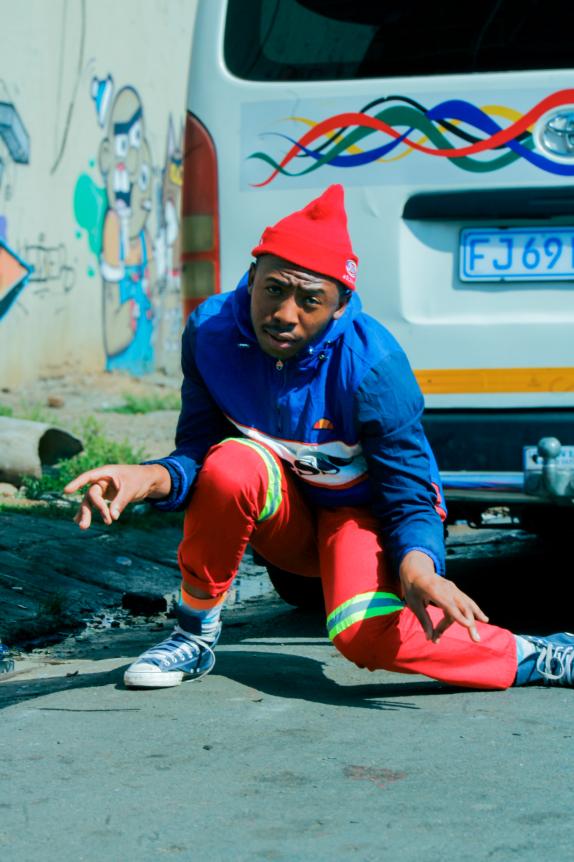
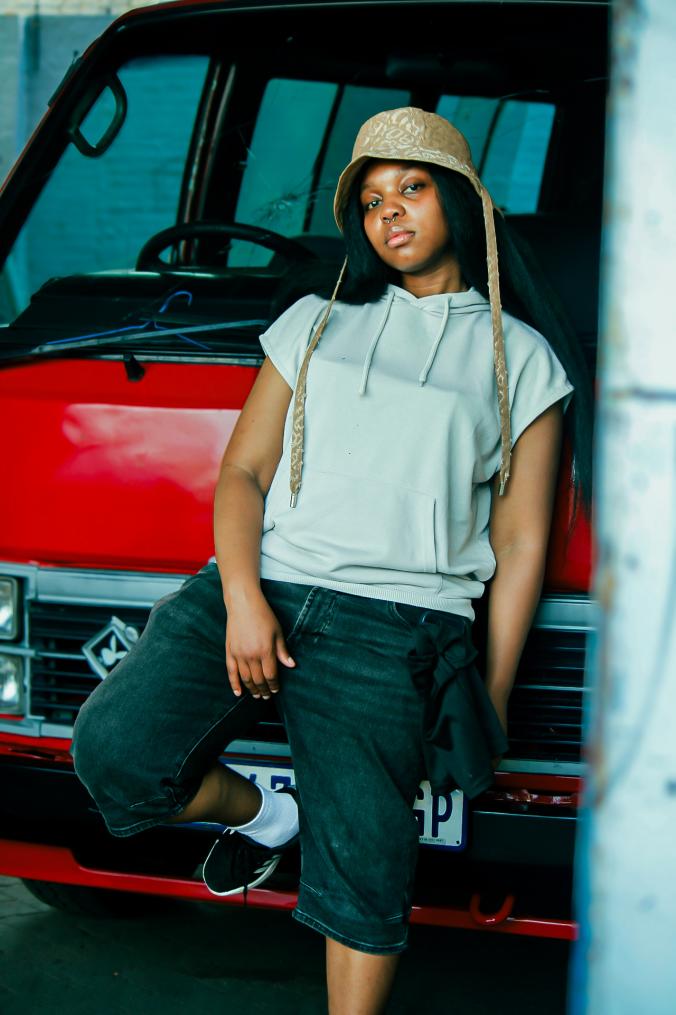
Red Door Productions shoot (2026)

Writer

Sekoala Toloane

Sekoala Toloane wrote IINYEMBEZI around grief, guilt and the pressure many men feel to hide their emotions. The story follows Kagiso as he struggles with Mira’s death and blames himself for freezing during the hijacking.

A phrase at the heart of the story is “indoda ayikhali” — the belief that a man does not cry. The film questions what happens when people are taught to hide their pain.

What did you want to explore?
“The idea that men are often expected to stay quiet about pain, even when they are struggling.”
What was the biggest writing challenge?
“Sharing a meaningful message without making the story feel predictable or like a lecture.”
What do you hope audiences take away?
“That being vulnerable does not make someone weak, and that facing pain is part of healing.”
Cassandra Ofentse Matee, Producer

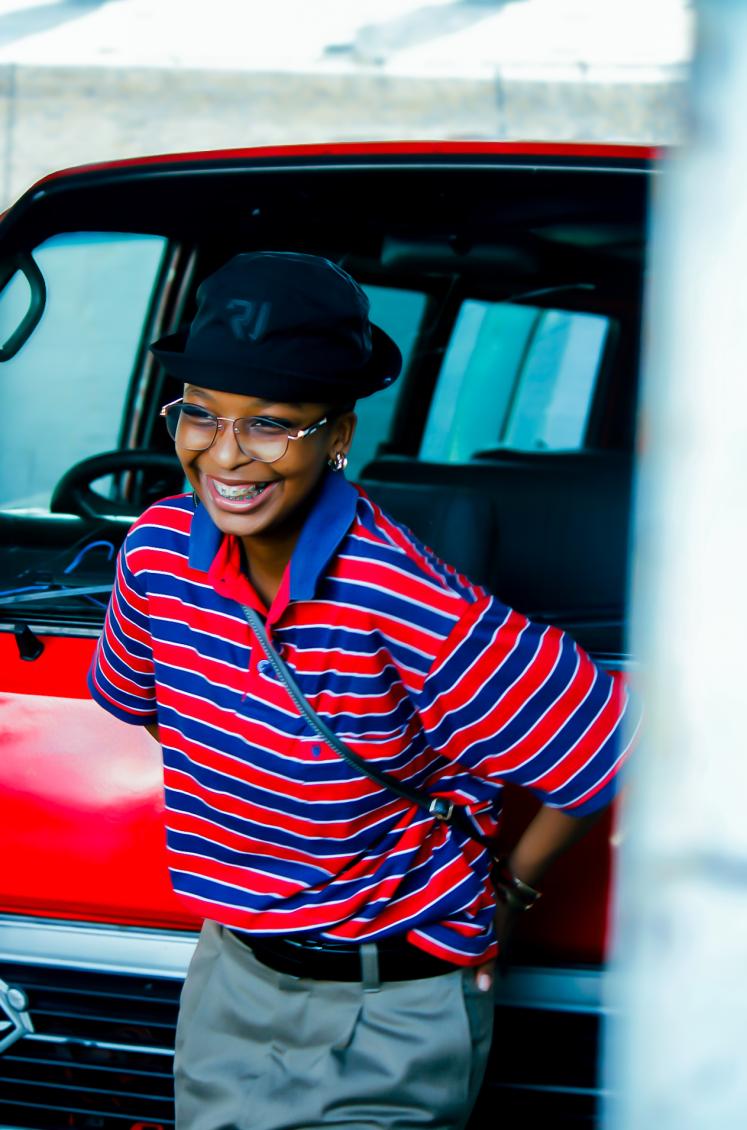
Red Door Productions shoot (2026)

Producer

Cassandra Ofentse Matee

For Cassandra Ofentse Matee, producing IINYEMBEZI meant making sure the practical side of the production supported the creative vision. She coordinated locations, transport, permits and the day-to-day needs of the crew.

What was your biggest challenge?
“Managing the budget across four shoot days while covering locations, food and the craft table.”
How did you keep going?
“Through motivation, laughter and remembering what the team was working towards.”
What does the film mean to you?
“It is one of Red Door Productions’ biggest achievements — “our biggest baby” — and a reminder of what the team can do together.”

Key creative team

Behind the camera

Asanda Shangase, Director of Photography

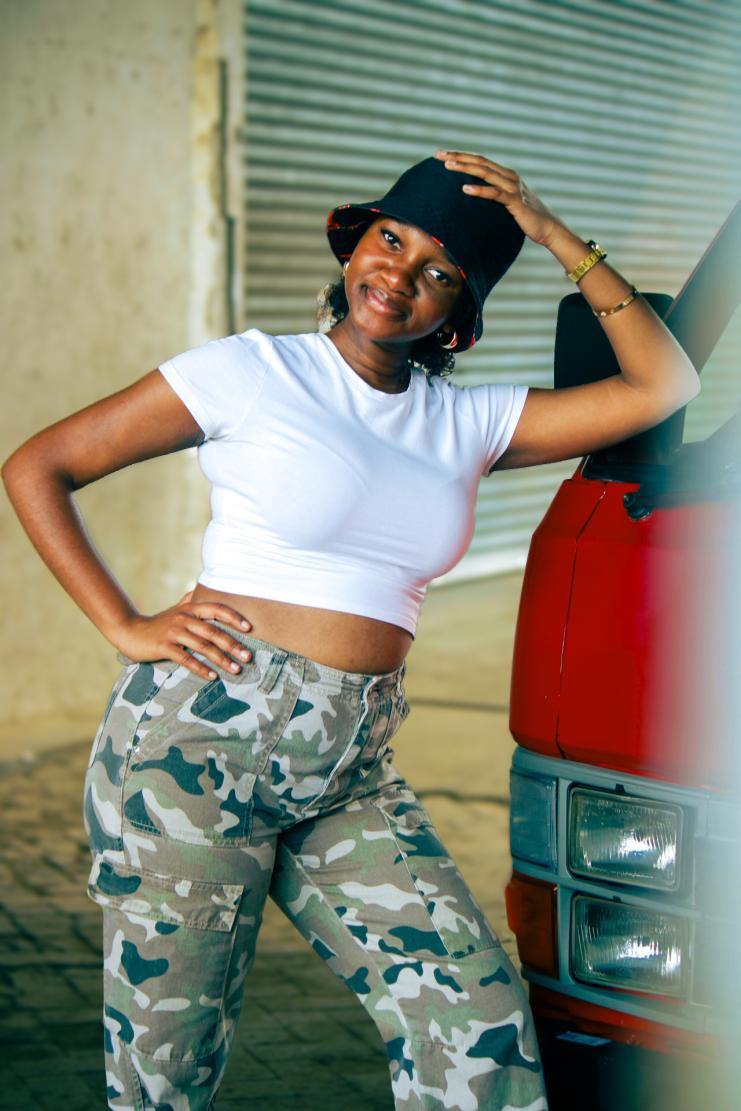
Red Door Productions shoot (2026)

Director of Photography

Asanda Shangase

Asanda Shangase used the camera to bring the audience closer to Kagiso’s grief. Wide shots show his isolation, while close-ups bring viewers into his emotional experience. Cooler tones reflect sadness and distance; warmer tones suggest connection and hope.

The Void was one of the most challenging sequences to shape visually. Visual references included Get Out, 180 and Euphoria.

What was your approach?
“I wanted the audience to experience Kagiso’s grief through the camera, not simply watch him suffer.”
Naledi Nqobile Vumase, Cinematographer

Red Door Productions shoot (2026)

Cinematographer

Naledi Nqobile Vumase

Naledi Nqobile Vumase is a cinematographer at Red Door Productions and a film student at AFDA Johannesburg. Her creative journey began with a passion for fashion design, which later developed into a deeper interest in cinematography and visual storytelling.

On IINYEMBEZI, she explored lighting more intentionally, using warm tones and contrasting colours to reflect Kagiso’s distorted sense of reality, while cooler and more neutral lighting represented moments of sadness and realisation.

What was your approach to cinematography on IINYEMBEZI?
“My aim was to make audiences feel what Kagiso experiences rather than simply observe his journey.”
Michelle Khumalo, Editor

Red Door Productions shoot (2026)

Editor

Michelle Khumalo

Michelle Khumalo shaped the film’s rhythm through tension, silence and emotional release. She used fragmented memories, changes in pacing and sound transitions to reflect Kagiso’s struggle to separate reality from memory. Her technical work included syncing separately recorded audio, using proxies and managing the edit in Premiere Pro.

What guided your editing?
“I wanted the audience to feel the moment, not notice the editing.”
Which moment stood out?
“The scene where Mira tells Kagiso that he needs to let her go.”
Gugu Mdletshe, Production Designer

Red Door Productions shoot (2026)

Production Designer

Gugu Mdletshe

Gugu Mdletshe used the film’s spaces to show what Kagiso is going through. Empty bottles, an overflowing ashtray and dirty clothes in his apartment suggest neglect and emotional stagnation. The clock at 2:14 connects him to the moment of trauma. The Void was designed as an extension of his subconscious.

What did the spaces represent?
“The apartment shows his physical isolation, while the Void reflects the way he is trapped inside his own mind.”
Elardus van Zyl, Sound Department

Red Door Productions shoot (2026)

Sound Department

Elardus van Zyl

Elardus van Zyl focused on creating an immersive soundscape through room tone, ambient sound, dialogue cleanup and detailed sound effects. The approach relied on the natural atmosphere of each environment rather than depending heavily on music. Clear dialogue was especially important because the story is dialogue-driven.

What was your sound approach?
“I wanted the sound to feel natural and let the environment and the characters’ actions help tell the story.”
Oreneile Tshepiso Mogotsi, Character Design & Stylist

Red Door Productions shoot (2026)

Character Design & Stylist

Oreneile Tshepiso Mogotsi

Oreneile Tshepiso Mogotsi worked across costume, hair and makeup. Her focus was on helping the characters and the story’s different moods come through visually. One of her main challenges was keeping Mira’s wardrobe and makeup consistent. The production also taught her the value of patience and listening to the team.

What moment stayed with you?
“The hijacking sequence, especially working on the blood effect.”
Katlego “Khethiwe” Mtetwa, Colour Grader & DIT

Red Door Productions shoot (2026)

Colour Grader & DIT

Katlego “Khethiwe” Mtetwa

Katlego “Khethiwe” Mtetwa worked as both Colour Grader and Digital Imaging Technician (DIT). DIT work included backing up and preparing footage, while colour grading shaped the film’s colour, contrast and overall look. The main challenge was creating an emotional colour palette while keeping the images natural.

What did the process teach you?
“Small colour changes can make a big difference to how an audience feels a scene.”
Khwezi Dlamini, Visual Effects (VFX)

Red Door Productions shoot (2026)

Visual Effects (VFX)

Khwezi Dlamini

Khwezi Dlamini contributed to the film’s visual effects. The meaning behind IINYEMBEZI drew Khwezi to the project, along with the chance to work with a passionate creative team. Time management was a key challenge, and the experience showed how much can be achieved when people build on one another’s ideas.

Why should audiences see the film?
“People experience loss every day, and seeing parts of their own experience on screen can help them feel less alone.”